Traditional Woodworking Techniques
Mastering the time-honored methods of Finnish furniture craftsmanship
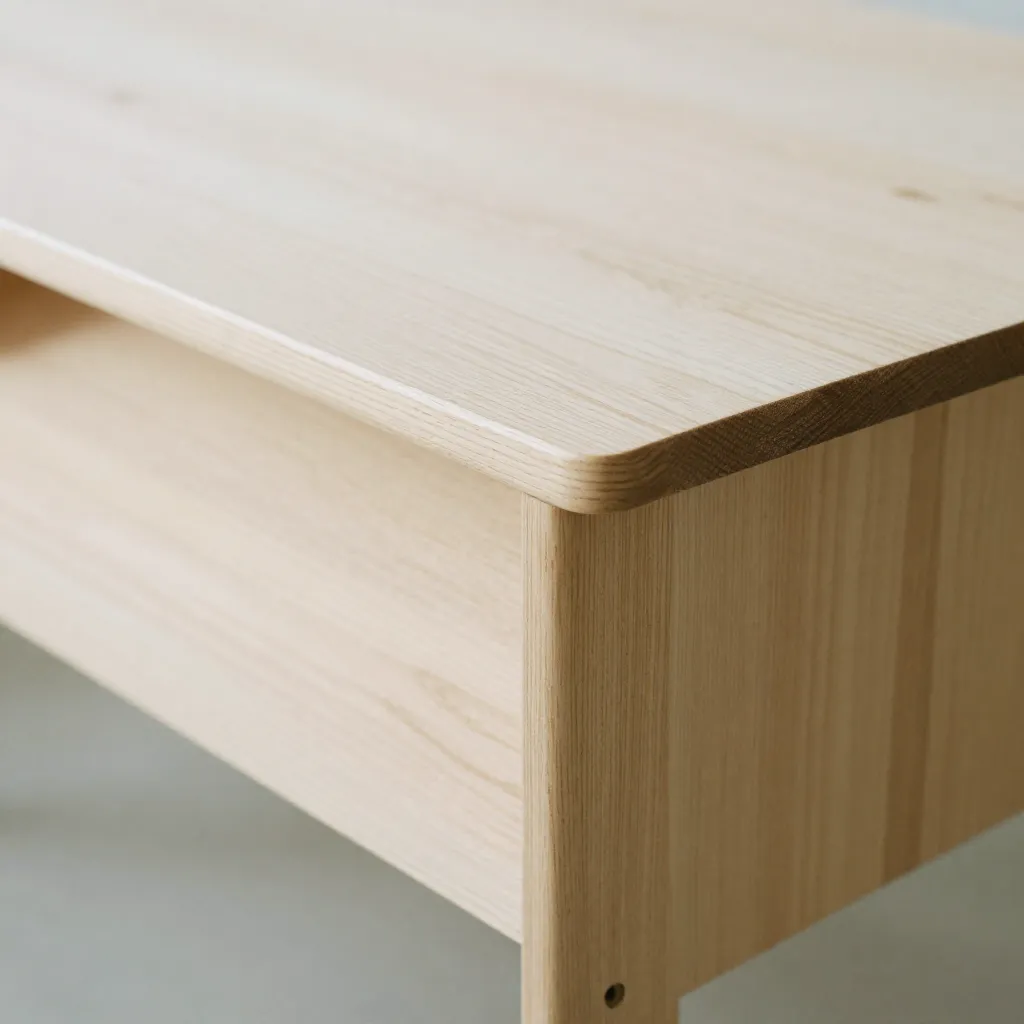
Carving and Shaping
The art of carving and shaping wood is fundamental to Finnish furniture making. Our artisans use traditional hand tools to create flowing curves, intricate details, and organic forms that celebrate the natural beauty of wood.

Hand Carving Methods
Traditional carving techniques involve careful handwork with chisels and gouges. Each cut is made with intention, following the wood grain to create smooth, natural surfaces. This method allows artisans to work with the material's inherent characteristics rather than against them.
Shaping Principles
The shaping process begins with careful selection of wood pieces that match the intended design. Artisans use planes and spokeshaves to create precise curves and angles, always respecting the wood's natural grain direction. This approach ensures both visual harmony and structural integrity.
Every surface is carefully smoothed by hand, creating a tactile quality that machine-finished pieces cannot replicate. The result is furniture that feels as good as it looks.
Joinery Methods
Traditional Finnish joinery relies on mechanical connections and natural adhesives, avoiding heavy chemicals while creating strong, durable bonds that last for generations.
Mortise and Tenon
One of the oldest and strongest joint types, mortise and tenon connections create secure bonds between structural members. Each joint is carefully fitted by hand for perfect alignment.
Dovetail Joints
Hand-cut dovetail joints are a hallmark of quality craftsmanship. These interlocking joints provide exceptional strength and add visual interest to drawer and box construction.
Natural Adhesives
When adhesives are needed, we use natural, plant-based options that are safe for both craftspeople and the environment, maintaining our commitment to eco-friendly practices.
Surface Finishing with Natural Oils
The finishing process brings out the wood's natural beauty while protecting it for years to come. We use only natural oils and waxes that enhance rather than mask the wood's character.
Oil Application
Natural oils such as linseed, tung, and walnut oil are applied by hand, allowing the wood to absorb the protective finish deeply. Multiple thin coats create a durable surface that develops a rich patina over time.
Wax Finishing
Beeswax and carnauba wax provide additional protection and a soft sheen. Applied after oil treatments, wax creates a smooth, tactile surface that's pleasant to touch and easy to maintain.
Sustainable Wood Selection
Responsible material sourcing is essential to our craft. We work closely with local foresters to select wood that meets both quality and sustainability standards.
Selection Criteria
Each piece of wood is evaluated for grain pattern, density, and moisture content. We prefer wood from slow-growing northern forests, which tends to be denser and more stable. Local sourcing reduces transportation impact and supports regional forest management practices.
Our artisans examine each board carefully, working with the wood's natural characteristics rather than forcing it into a predetermined shape. This approach results in furniture that honors both the material and the maker's skill.
Maintenance and Longevity
Well-crafted furniture, properly maintained, can serve families for generations. Our pieces are designed with longevity in mind, using construction methods that allow for future repairs and refinishing.
Regular Care
Simple maintenance extends the life of your furniture significantly. Regular dusting and occasional application of natural oils keep wood looking beautiful and protected from environmental changes.
Built to Last
Traditional construction methods create furniture that can be disassembled, repaired, and refinished. This repairability is central to sustainable design, ensuring pieces remain useful for decades rather than ending up in landfills.