Finnish Woodcraft Heritage
A journey through centuries of craftsmanship tradition
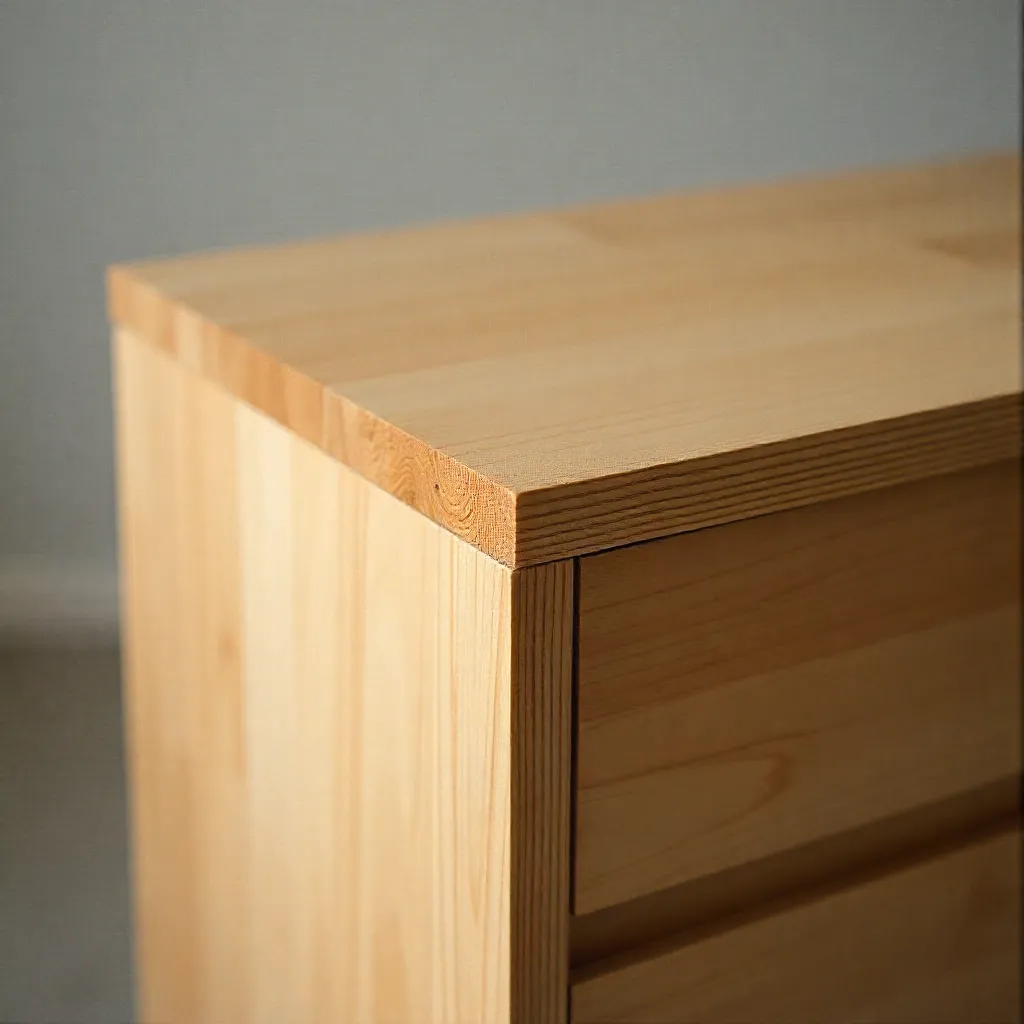
History of Woodworking in Finland
Woodworking has been central to Finnish culture for over a thousand years. In a land rich with forests, wood became not just a building material but a medium for artistic expression and functional design. Early Finnish furniture combined practicality with natural beauty, establishing traditions that continue to influence modern craftsmanship.
Ancient Beginnings
Finnish woodworking traditions date back to the Iron Age, when forest-dwelling communities developed sophisticated techniques for working with available materials. Long winters provided time for detailed craftsmanship, while abundant forests supplied raw materials.
Early pieces emphasized functionality and durability, qualities essential for survival in harsh northern climates. Yet even these practical objects featured decorative elements that reflected the maker's connection to nature and community.
Medieval Mastery
By the medieval period, Finnish woodworkers had developed highly refined skills. Churches, homes, and communal buildings featured intricate wooden details demonstrating both technical skill and artistic vision.
This era established many of the joinery techniques and decorative styles that remain characteristic of Finnish furniture today. The emphasis on clean lines, natural materials, and honest construction began to define a distinctly Finnish aesthetic.
Famous Finnish Furniture Makers and Styles
The 20th century brought international recognition to Finnish furniture design, as masters of the craft blended traditional techniques with modern aesthetics to create pieces that remain influential today.
Alvar Aalto
Perhaps the most famous Finnish furniture designer, Aalto revolutionized modern furniture with his innovative use of bent wood. His designs demonstrated how traditional materials could serve contemporary needs while maintaining warmth and natural beauty.
Ilmari Tapiovaara
Tapiovaara's work emphasized simplicity and functionality, creating furniture that was both beautiful and accessible. His designs showcased Finnish wood's natural qualities through clean lines and thoughtful proportions.
Yrjö Kukkapuro
Known for ergonomic and sculptural furniture, Kukkapuro pushed the boundaries of woodworking while respecting traditional techniques. His work demonstrates how Finnish design continues to evolve while honoring its roots.
Passing Traditions Through Generations
The knowledge and skills of Finnish woodworking have been preserved through family workshops, apprenticeships, and craft schools. This continuity ensures that traditional techniques remain alive while adapting to contemporary needs.
Family Workshops
Many Finnish furniture makers come from families where woodworking knowledge has been passed down through generations. In these workshops, children learn by watching and helping, gradually acquiring the skills and understanding that define quality craftsmanship.
This intergenerational transmission ensures that subtle techniques—how to read wood grain, when to apply different finishes, the feel of a properly fitted joint—are preserved in ways that written instructions cannot capture.
Apprenticeship System
Formal apprenticeships remain an important part of Finnish woodworking education. Young craftspeople work alongside masters, learning not just techniques but the philosophy and values that guide quality work.
Craft Schools
Finland's network of craft schools provides structured education in traditional techniques while encouraging innovation. These institutions balance preservation of heritage with preparation for contemporary practice.
Modern Adaptations of Classic Techniques
Contemporary Finnish furniture makers honor traditional methods while adapting them for modern lifestyles. This evolution keeps the craft relevant while maintaining its essential character.
Timeless Principles
While designs evolve, core principles remain constant: respect for materials, attention to detail, and construction that serves both function and aesthetics. Modern pieces may look different from historical examples, but they embody the same values.
Contemporary Applications
Today's Finnish furniture addresses modern needs—smaller spaces, flexible arrangements, sustainability concerns—while using time-tested construction methods. Traditional joinery, natural finishes, and careful material selection remain central to quality work.
Preserving Craft for the Future
The future of Finnish woodworking depends on continued commitment to quality, sustainability, and education. By maintaining high standards and sharing knowledge, today's craftspeople ensure these traditions will endure for generations to come.
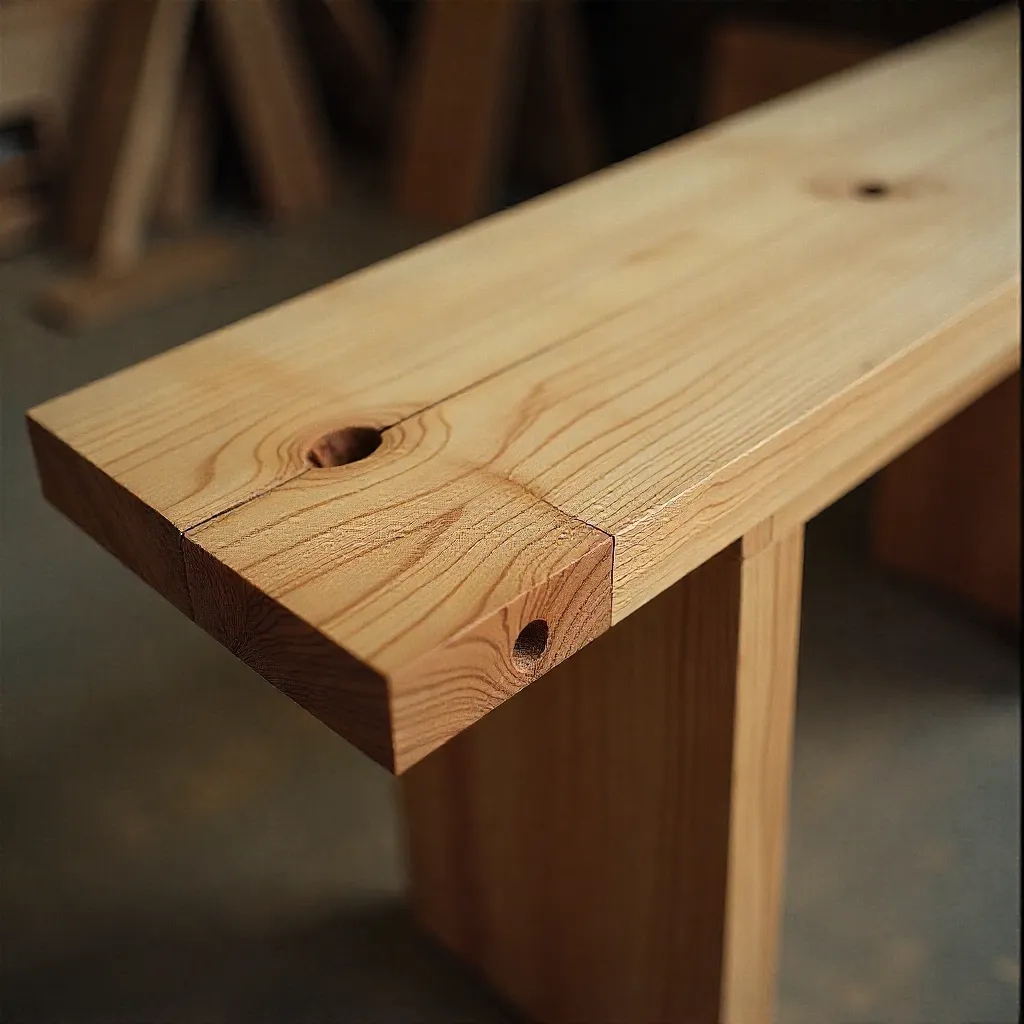
Looking Forward
As environmental awareness grows, the values inherent in Finnish woodworking—sustainability, durability, repairability—become increasingly important. These traditions offer solutions to contemporary challenges while honoring centuries of accumulated wisdom.
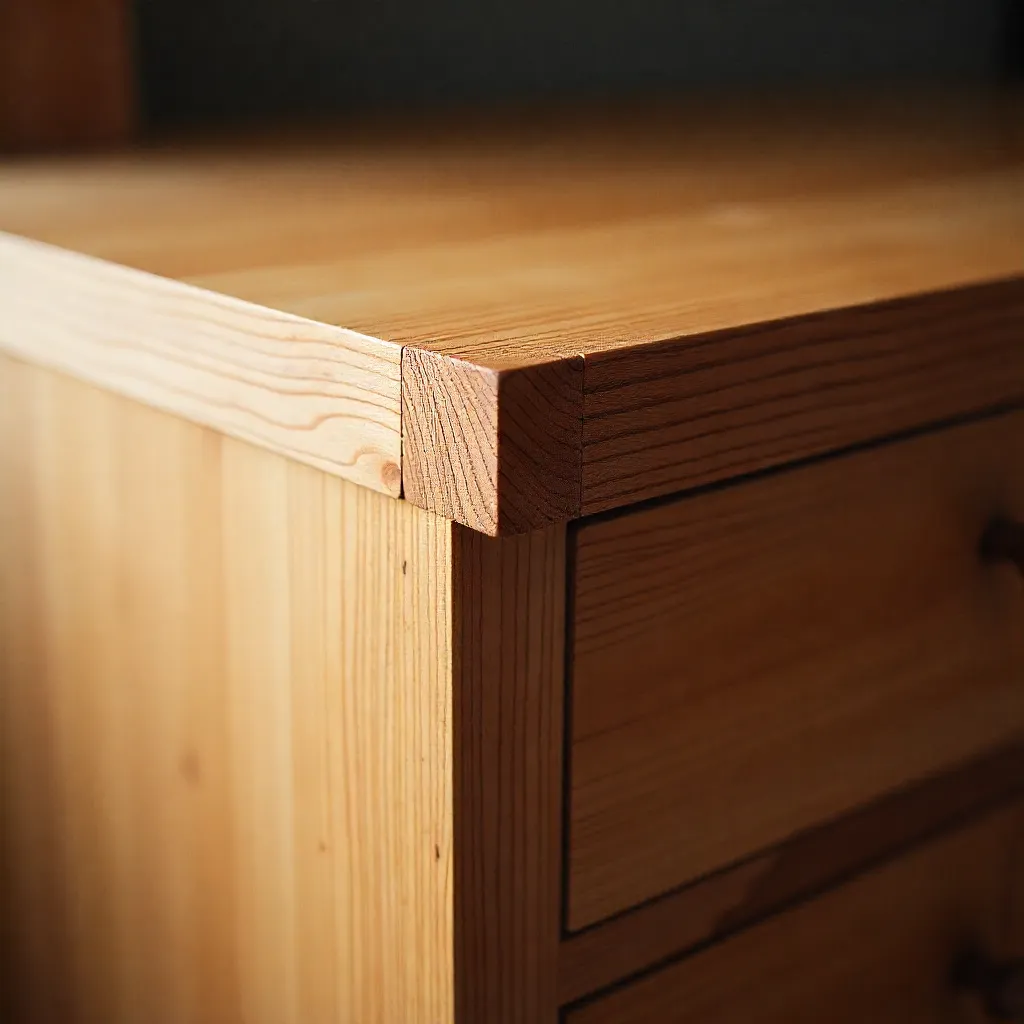
Continuing Traditions
The continuation of Finnish woodcraft heritage depends on both preserving traditional knowledge and encouraging new generations to learn these skills. Through workshops, education, and appreciation of quality work, these traditions will continue to enrich lives and homes for years to come.